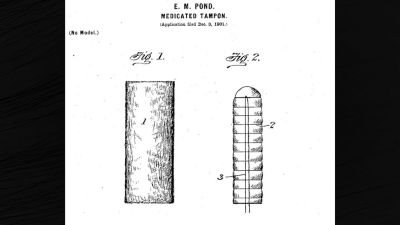
I guess it
sort of makes sense, if you look at it really,
really cockeyed. (Please pardon the pun). Opium was used in the 19th and early 20th centuries for many medicines, although there were certainly ones that didn't contain it.
Cocaine, for instance, was widely used as a local anesthetic, and was recommended for vomiting in pregnancy or toothaches.
Cannabis was used in tinctures and cough syrups as a sedative and painkiller.
Chloral Hydrate was Introduced in 1869 as a sedative-hypnotic to treat sleeplessness -- but with this drug, the window between a therapeutic dose and a fatal one is incredibly small. And
strychnine (eek!

) was used in small doses as a stimulant to increase energy.
Patent medicines and tonics were slightly less extreme. Possibly one of the more harmless was
Holloway’s Pills, a mixture of ginger, rhubarb, and saffron used for various ailments.
Other, less painful remedies were quinine (for malaria), bromine and iodine (antiseptics for wounds), castor oil (as a laxative), and willow bark (for pain and fever, which led to aspirin in the late 1890s). On the other hand,
mercury was extensively used to treat syphilis, often causing severe side-effects.
It's a wonder anyone survived!